
Home › Blog › Preventing Clogged Drains
Guide
Preventing Clogged Drains: Everyday Habits That Protect Your Plumbing
Most clogs don't happen overnight — they build up slowly from everyday habits. A few small changes in the kitchen and bathroom can keep drains flowing and save you a service call.
- Published
- Reading
- 5 min read
- Filed under
- Drains
- Written by
- American Sewer and Drain LLC
- Dispatch
- 847-204-4256
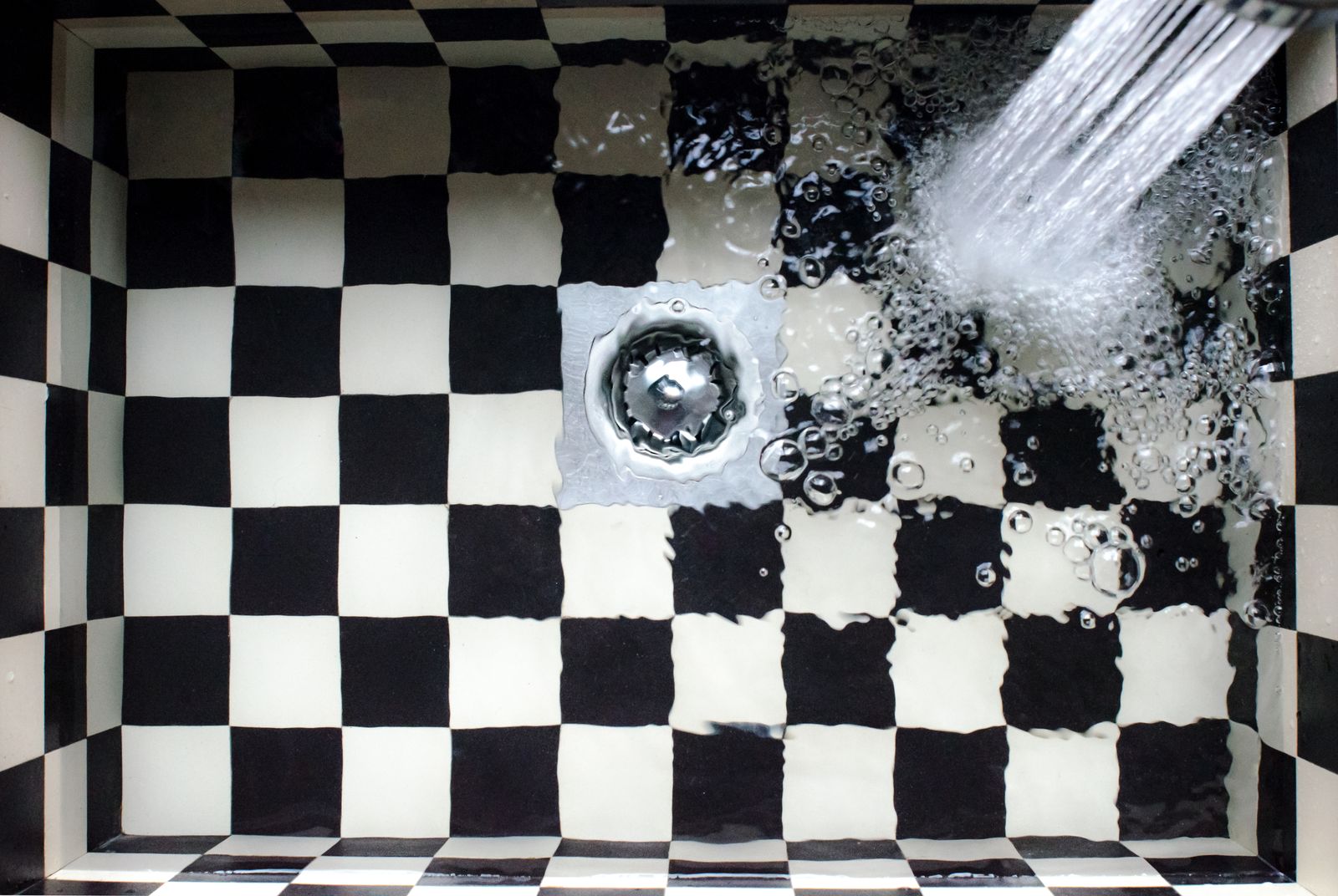
A clogged drain almost never happens all at once. It's usually the end result of small things going down the drain, week after week, until the pipe can't keep up. The good news is that most of the common culprits are easy to avoid once you know what to watch for. Here are the everyday habits that make the biggest difference.
1. Keep Grease and Cooking Oil Out of the Kitchen Drain
Grease and cooking oil are probably the single biggest cause of kitchen clogs. They go down the drain as a warm liquid, but as they cool inside the pipe, they solidify and cling to the walls, gradually narrowing the space water can pass through. Instead of rinsing grease down the sink, let it cool in the pan or a container and throw it in the trash. It's a small habit that prevents a lot of buildup over time.
2. Use a Hair Catcher in the Tub and Shower
Hair is the tub and shower equivalent of grease — it doesn't dissolve, and it tangles with soap residue to form a stubborn mass that slows drainage over time. A simple, inexpensive mesh hair catcher or strainer over the drain catches most of it before it ever gets into the pipe. Rinsing it out every so often takes a few seconds and saves a lot of hassle later.
3. Run Hot Water After Washing Greasy Dishes
Even with careful habits, some grease inevitably ends up in the kitchen drain from washing dishes and pans. Running hot water through the sink for a minute or so after washing anything greasy helps carry residue further down the line before it has a chance to cool and stick to the pipe walls near the drain opening.
4. Only Flush Toilet Paper — Nothing Else
Toilet paper is designed to break apart quickly in water. Wipes, paper towels, and feminine hygiene products are not — including wipes labeled "flushable." Those products largely hold together after flushing and are one of the most common causes of toilet and sewer line clogs. If it isn't toilet paper, it belongs in the trash, not the toilet.
5. Be Mindful of the Garbage Disposal
A garbage disposal can handle more than a drain, but it's not a substitute for a trash can. Coffee grounds, eggshells, and fibrous produce like celery, corn husks, and onion skins are common culprits that either don't grind cleanly or clump together further down the pipe. When in doubt, it's safer to toss questionable scraps in the trash or compost instead.
6. A Little Hot Water Goes a Long Way
As a light, occasional maintenance habit, running hot water down bathroom and kitchen drains for a minute or two helps keep soap scum, grease residue, and other buildup from settling and hardening inside the pipes. It's not a substitute for a real cleaning when a drain is already running slow, but it's a simple, harmless habit that supports everything else on this list.
Even with good habits, plumbing isn't completely maintenance-free — and that's fine. If a drain is running slow more than once in a while, that's a sign of something building up further down the line, and it's worth having a professional take a look rather than repeating the same home remedies over and over. A proper drain cleaning gets to the source of the buildup instead of just pushing it further down the pipe.
More guides
Keep reading
-
 Late-Summer & Fall Drain Care Checklist
The simple maintenance steps that keep drains and sewer lines from becoming a fall emergency.
Late-Summer & Fall Drain Care Checklist
The simple maintenance steps that keep drains and sewer lines from becoming a fall emergency.
-
 5 Warning Signs of Sewer Line Trouble
The early signals — slow drains, soggy yard patches, odd smells — that point to a main line problem.
5 Warning Signs of Sewer Line Trouble
The early signals — slow drains, soggy yard patches, odd smells — that point to a main line problem.
-
 DIY or Call a Pro? A Guide to Common Clogs
When a plunger and a bit of patience will do the job, and when it is time to pick up the phone.
DIY or Call a Pro? A Guide to Common Clogs
When a plunger and a bit of patience will do the job, and when it is time to pick up the phone.
Dealing With a Slow or Backed-Up Drain?
Don't wait for it to turn into a bigger problem. Get a free quote or call us directly.