
Home › Blog › Warning Signs of Sewer Line Trouble
Guide
5 Warning Signs of Sewer Line Trouble You Shouldn't Ignore
Sewer line problems rarely start as emergencies. They usually start small, with signs that are easy to write off — until they're not. Here's what to watch for.
- Published
- Reading
- 5 min read
- Filed under
- Sewer lines
- Written by
- American Sewer and Drain LLC
- Dispatch
- 847-204-4256
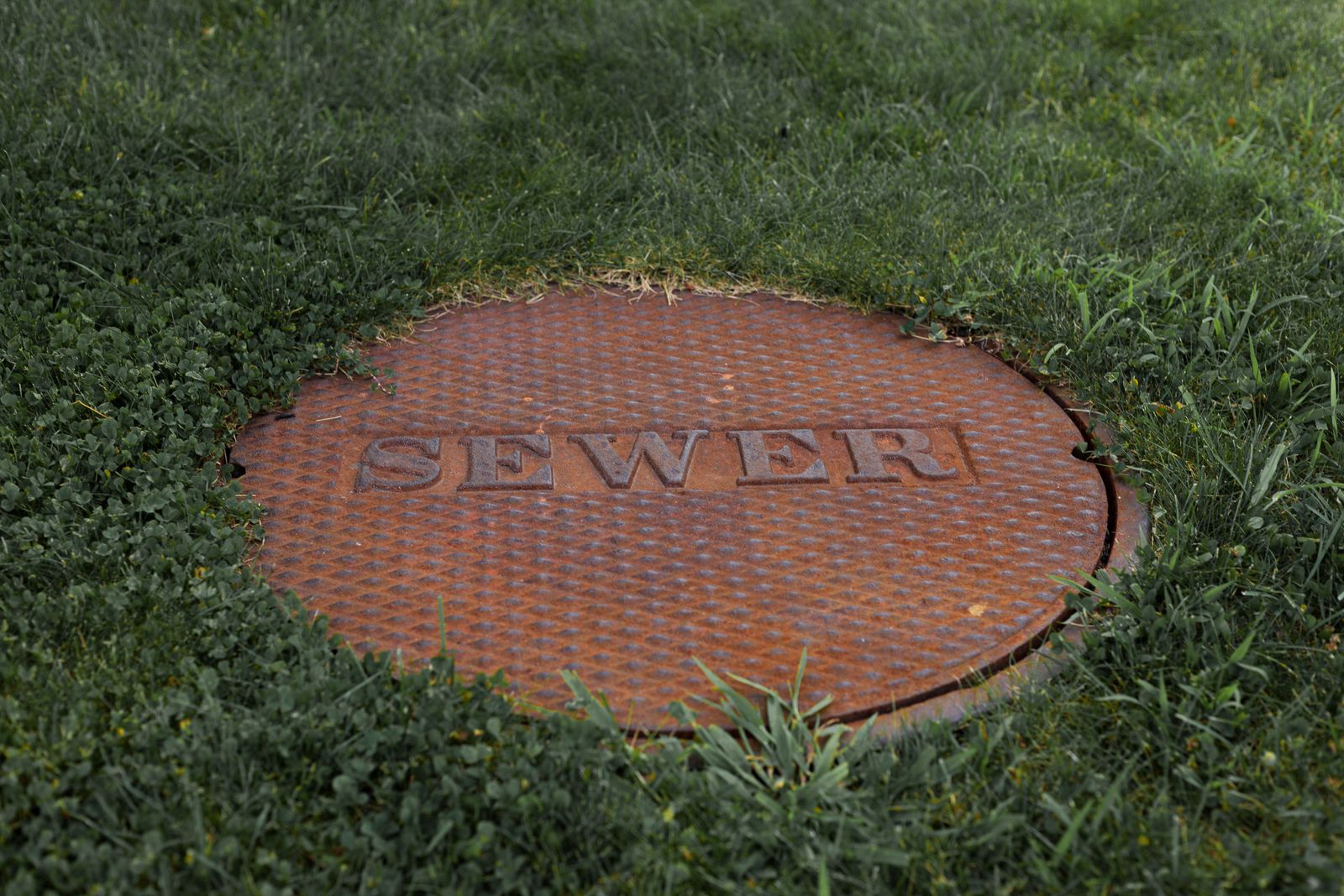
A main sewer line problem has a way of feeling sudden — one day everything's fine, the next day there's a backup in the lowest drain in the house. In reality, most sewer line issues build gradually and give off warning signs well before they turn into an emergency. Knowing what to watch for can be the difference between a straightforward repair and a much bigger mess.
1. Slow Drains Throughout the House
A single slow drain is usually a local clog — hair in the bathroom sink, grease in the kitchen line. But when multiple drains around the house are all draining sluggishly at the same time, that points to something further downstream, closer to the main line that carries wastewater away from the whole home. It's one of the clearest early signals that the problem isn't isolated to one fixture.
2. Gurgling Toilets or Drains
Gurgling happens when air gets trapped and pushed back through the plumbing system, often because something downstream is partially blocking normal flow. If you flush a toilet and hear gurgling from a nearby tub or sink, or vice versa, that's the pipes telling you air and water aren't moving the way they should.
3. Sewage Odor Indoors or in the Yard
Wastewater is supposed to stay contained in the pipe. A persistent sewage smell — inside the house near a drain, or outside near where the line runs through the yard — usually means it isn't fully contained anymore, whether that's from a slow leak, a crack, or a partial blockage letting gas escape.
4. A Soggy or Unusually Green Patch of Yard
If a section of your lawn stays damp when the rest of the yard is dry, or looks noticeably greener and lusher than the grass around it, that can mean a sewer line underneath is leaking and effectively fertilizing the ground above it. It's easy to mistake for a drainage or irrigation issue, but it's worth ruling out a line problem first, especially if the patch lines up with where you'd expect the sewer line to run.
5. Multiple Fixtures Clogging Around the Same Time
If your kitchen sink, bathroom drain and toilet all start acting up within the same week or two, that's rarely a coincidence. Fixtures clogging in a cluster, rather than one at a time over months, is a strong sign the shared line they all drain into is the actual source of the problem.
What Usually Causes Sewer Line Damage
In general terms, sewer line problems tend to come down to a handful of common culprits: age and general wear on older pipe materials, tree roots seeking out moisture and working their way into small cracks or joints, and ground shift that puts stress on a rigid pipe over time. None of these happen overnight — they're slow processes, which is exactly why the early warning signs above are worth paying attention to rather than dismissing.
When to Get a Video Camera Line Inspection
If you're noticing one or more of these signs, guessing at the cause isn't a great strategy. A video camera line inspection lets us see exactly what's happening inside the line — whether it's a root intrusion, a cracked section, a low spot collecting debris, or something else entirely — without any guesswork or unnecessary digging. From there, if a repair is needed, we can talk through what sewer line repair or replacement would actually involve for your specific situation.
Catching sewer line trouble early almost always means a simpler, less disruptive fix. If any of these signs sound familiar, it's worth getting the line looked at before it turns into a backup.
More guides
Keep reading
-
 Late-Summer & Fall Drain Care Checklist
The simple maintenance steps that keep drains and sewer lines from becoming a fall emergency.
Late-Summer & Fall Drain Care Checklist
The simple maintenance steps that keep drains and sewer lines from becoming a fall emergency.
-
 DIY or Call a Pro? A Guide to Common Clogs
When a plunger and a bit of patience will do the job, and when it is time to pick up the phone.
DIY or Call a Pro? A Guide to Common Clogs
When a plunger and a bit of patience will do the job, and when it is time to pick up the phone.
-
 How Tree Roots Find Their Way Into Sewer Lines
Why roots are drawn to sewer lines, how small intrusions grow, and what can be done about them.
How Tree Roots Find Their Way Into Sewer Lines
Why roots are drawn to sewer lines, how small intrusions grow, and what can be done about them.
Seeing Any of These Warning Signs?
Get a free quote or call us directly — we'll help you find out what's really going on.