
Home › Blog › Tree Roots & Sewer Lines
Guide
How Tree Roots Find Their Way Into Sewer Lines (and What to Do About It)
A sewer line running near mature trees isn't automatically a problem — but it's one of the most common causes of a recurring backup we see across Baxter County. Here's how roots actually get in, and what to do once they have.
- Published
- Reading
- 6 min read
- Filed under
- Sewer lines
- Written by
- American Sewer and Drain LLC
- Dispatch
- 847-204-4256
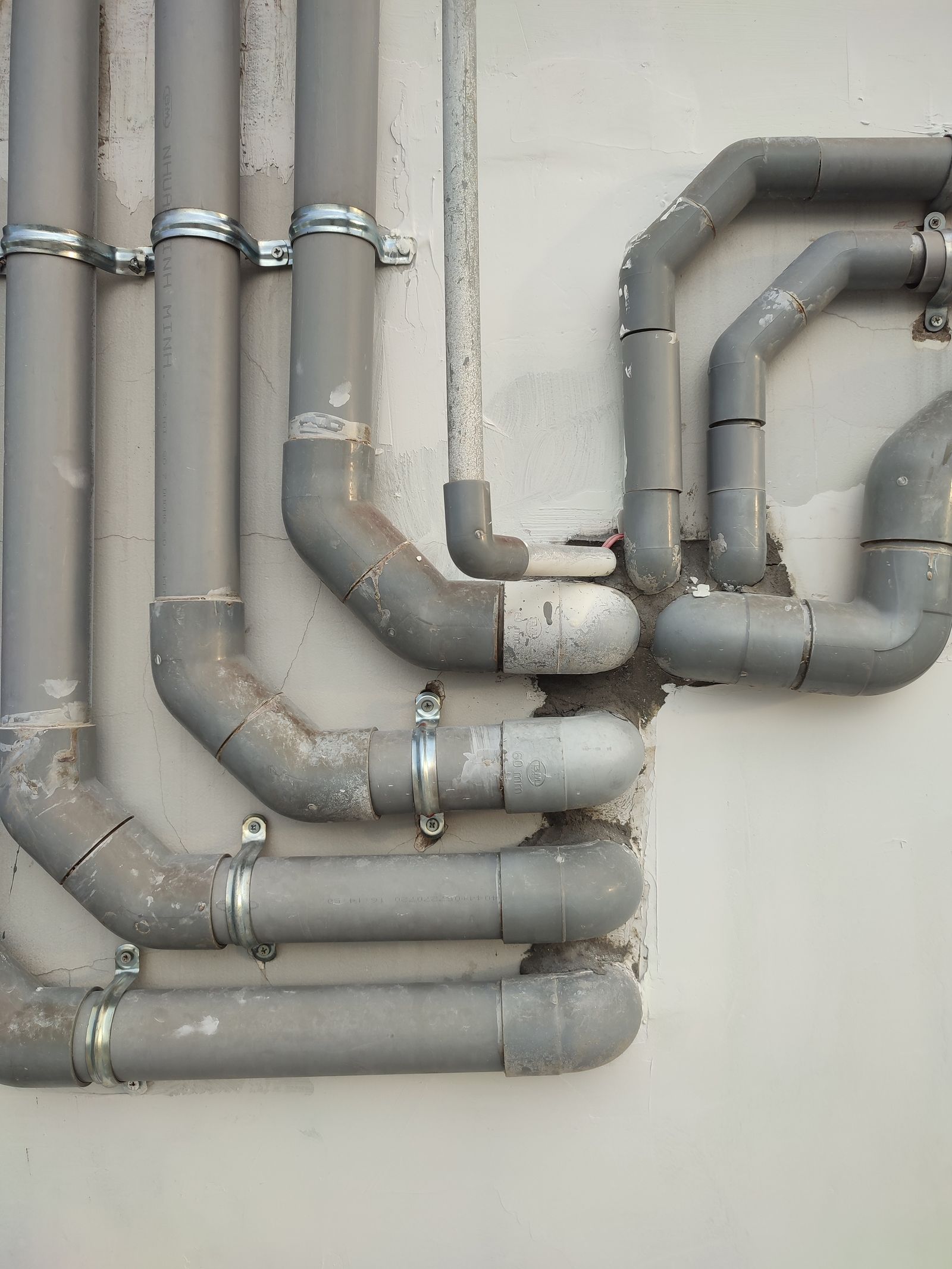
If you've had a sewer backup traced to tree roots, it can feel like the tree somehow "attacked" your pipe. In reality, it's a much simpler and more predictable process — and understanding it makes the fix a lot less confusing.
Why Roots Are Drawn to Sewer Lines in the First Place
Tree roots grow toward whatever combination of moisture and nutrients they can find, and a sewer line is a reliable source of both. Even a tiny amount of moisture seeping out from the pipe is enough to draw nearby roots in that direction over time. It's not that the tree is targeting your plumbing specifically — it's just following the most promising conditions underground, and a sewer line often happens to be exactly that.
How Roots Actually Get In
Contrary to the mental image a lot of people have, roots don't drill or force their way through solid pipe. They get in through openings that already exist — a hairline crack, a small gap at a joint, or a loose seal, especially common in older clay pipe or pipe that has shifted or aged over the years. A root finds that opening, follows the moisture inside, and once it has a foothold, it keeps growing. What starts as a thin root can thicken over months and years, and as it grows, the crack or joint it entered through tends to widen along with it.
From Small Intrusion to Real Problem
A single thin root inside a pipe might not cause any noticeable issue at first. The trouble builds gradually: the root thickens, catches debris and waste as it grows, and slowly narrows the space water has to flow through. Eventually that buildup causes a real blockage — and in some cases, the pressure and growth from the root mass can crack or separate the pipe further, turning a clog into a structural problem.
Signs Homeowners Usually Notice
- A clog that keeps coming back in the same drain or fixture
- Drainage that noticeably gets worse specifically after rain
- An unusual bump, dip or soft spot in the yard along the line's path
- Gurgling drains or slow fixtures throughout the house
Any of these on their own could have another explanation. But a recurring clog paired with rain-related drainage changes is a pattern worth paying attention to, especially in a yard with established trees near the line.
What Actually Fixes It
The first step is confirming what's going on rather than guessing. A video camera line inspection lets us see directly inside the pipe — where the roots have gotten in, how much of the line is affected, and what condition the pipe itself is in. From there, the right fix depends on what the camera shows. If it's a root mass without significant pipe damage, hydro jetting can clear it using high-pressure water, cutting through roots and flushing debris without digging up the yard. If the inspection shows the pipe itself is cracked, offset or structurally compromised, repair or replacement of that section becomes the realistic option.
Tree placement and long-term landscaping choices do matter for preventing this down the road, but that's outside what we handle — our focus is the line itself. If roots have already found their way in, the practical path forward is finding out exactly where and how bad it is, then clearing or repairing the pipe accordingly.
More guides
Keep reading
-
 Late-Summer & Fall Drain Care Checklist
The simple maintenance steps that keep drains and sewer lines from becoming a fall emergency.
Late-Summer & Fall Drain Care Checklist
The simple maintenance steps that keep drains and sewer lines from becoming a fall emergency.
-
 5 Warning Signs of Sewer Line Trouble
The early signals — slow drains, soggy yard patches, odd smells — that point to a main line problem.
5 Warning Signs of Sewer Line Trouble
The early signals — slow drains, soggy yard patches, odd smells — that point to a main line problem.
-
 DIY or Call a Pro? A Guide to Common Clogs
When a plunger and a bit of patience will do the job, and when it is time to pick up the phone.
DIY or Call a Pro? A Guide to Common Clogs
When a plunger and a bit of patience will do the job, and when it is time to pick up the phone.
Suspect Roots in Your Sewer Line?
A camera inspection tells you exactly what's going on before you decide on a fix. Get a free quote or call us directly.