
Home › Blog › Water Heater Maintenance Checklist
Guide
Water Heater Maintenance: A Simple Seasonal Checklist
A few minutes of routine checking can catch a small water heater problem before it turns into a cold shower — or a flooded utility room.
- Published
- Reading
- 6 min read
- Filed under
- Maintenance
- Written by
- American Sewer and Drain LLC
- Dispatch
- 847-204-4256
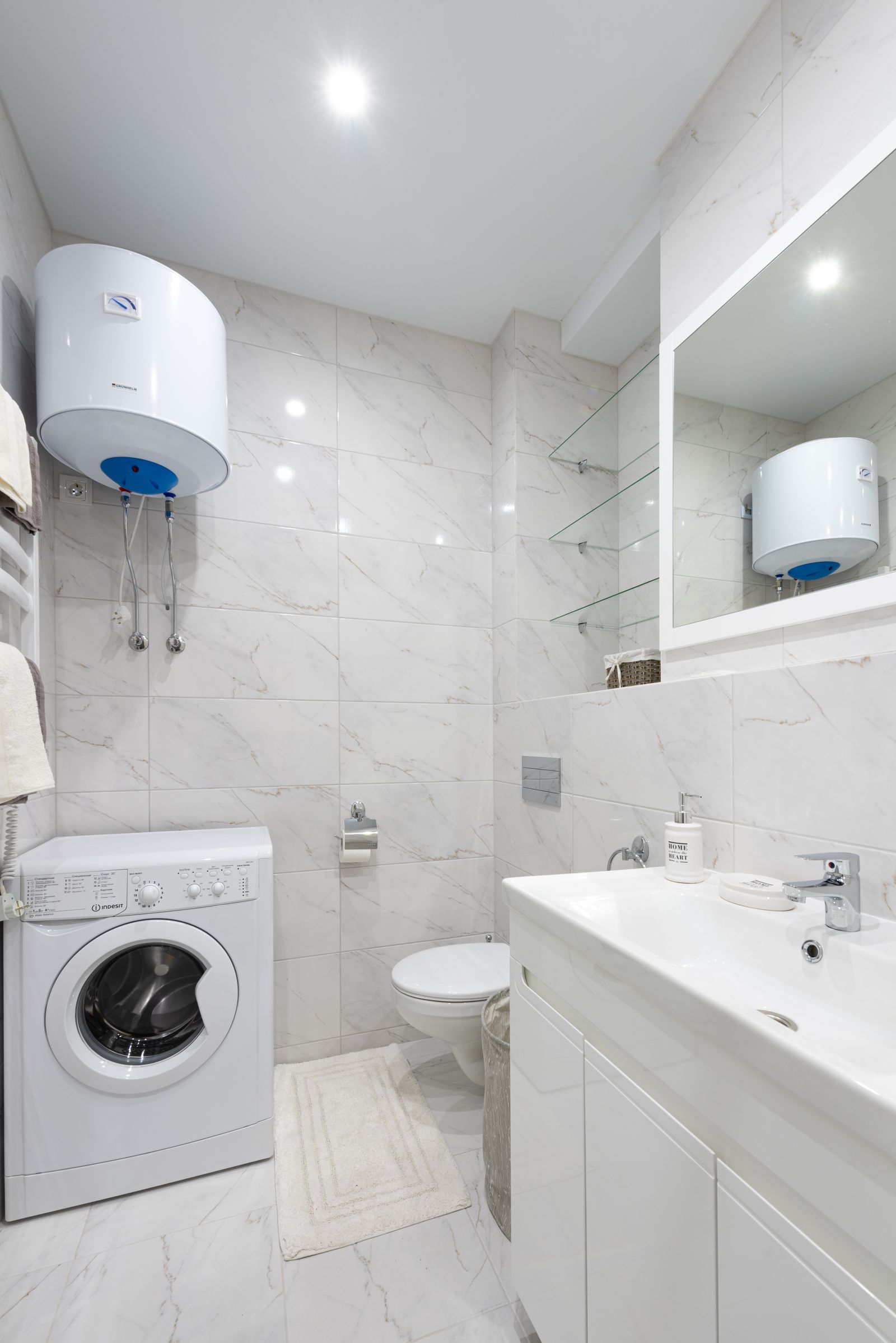
Most homeowners don't think about their water heater until it stops working — usually at the worst possible time. The good news is that a tank water heater doesn't need much attention to keep running safely and efficiently. A few minutes spent checking on it every couple of months is often enough to catch small issues before they turn into a repair, or worse, a flood in the utility closet.
1. Look Around the Base of the Tank
Start with a simple visual check. Look around the bottom of the tank for rust, corrosion, or any sign of pooling water on the floor. A small amount of condensation isn't unusual, but standing water, rust streaks running down the side of the tank, or a damp base that's damp more often than not are signs worth paying attention to. Catching this early is a lot less disruptive than discovering it after a leak has already soaked the surrounding floor or drywall.
2. Listen for Popping or Rumbling Sounds
If your water heater has started making popping, rumbling, or crackling noises while it's heating, that's usually not a sign the tank is failing outright — it typically points to sediment that has settled at the bottom of the tank over time. As that sediment layer builds up, water trapped underneath it heats and creates small pockets of steam, which is what produces the noise. It's common, especially in homes with harder water, but it's also a signal that the tank could use some attention.
3. Know Your T&P Valve — But Don't Force It
Every tank water heater has a temperature-pressure relief (T&P) valve, an important safety feature that releases pressure if it builds up too high inside the tank. It's worth knowing where yours is and being aware that it exists. That said, testing it is not something to improvise — follow your specific unit's manufacturer manual exactly if you decide to test it yourself, since a valve that doesn't reseat properly after testing can lead to a steady drip or worse. If you're at all unsure, it's a quick, inexpensive thing for a professional to check during a routine visit.
4. Check the Thermostat Setting
Take a look at what the thermostat is set to. 120°F is commonly recommended by manufacturers and safety organizations as a setting that balances two things: reducing the risk of scalding, especially for households with young children or older adults, and keeping energy costs reasonable. Setting it much higher than that generally doesn't add meaningful benefit and can increase both the scald risk and your utility bill.
5. How Long Should a Tank Water Heater Last?
As a general rule of thumb, tank water heaters typically last somewhere in the 8 to 12 year range, though that varies a fair amount depending on water quality, how heavily the unit is used, and how well it's been maintained. Homes with harder water often see more sediment buildup, which can shorten a unit's working life if it's never flushed or inspected. Keeping an eye on the signs above is a good way to get a sense of where your unit stands, rather than being caught off guard.
6. When a Water Heater Problem Becomes an Emergency
Most of what's covered here is routine upkeep, but a few situations cross the line from "keep an eye on it" to "call a plumber now":
- Active leaking or standing water around the tank
- No hot water at all, with no obvious cause
- Popping or banging that's noticeably gotten louder or more frequent
Any of those is a good reason to reach out for emergency plumbing help rather than waiting to see if it resolves on its own. If you're not sure whether what you're seeing needs a same-day visit or can wait for a scheduled appointment, get in touch and describe what you're noticing — that's usually enough for us to point you in the right direction.
More guides
Keep reading
-
 Late-Summer & Fall Drain Care Checklist
The simple maintenance steps that keep drains and sewer lines from becoming a fall emergency.
Late-Summer & Fall Drain Care Checklist
The simple maintenance steps that keep drains and sewer lines from becoming a fall emergency.
-
 5 Warning Signs of Sewer Line Trouble
The early signals — slow drains, soggy yard patches, odd smells — that point to a main line problem.
5 Warning Signs of Sewer Line Trouble
The early signals — slow drains, soggy yard patches, odd smells — that point to a main line problem.
-
 DIY or Call a Pro? A Guide to Common Clogs
When a plunger and a bit of patience will do the job, and when it is time to pick up the phone.
DIY or Call a Pro? A Guide to Common Clogs
When a plunger and a bit of patience will do the job, and when it is time to pick up the phone.
Not Sure What's Going On With Your Water Heater?
A quick call can save you a guessing game. Get a free quote or reach out directly.